Executive Summary
Master how to optimize content for AI search engines in 2026. This guide covers AISO, GEO, E-E-A-T, and technical SEO for AI visibility. Get cited by AI today!
Mastering AI Search: Your 2026 Guide to Optimizing Content for Visibility
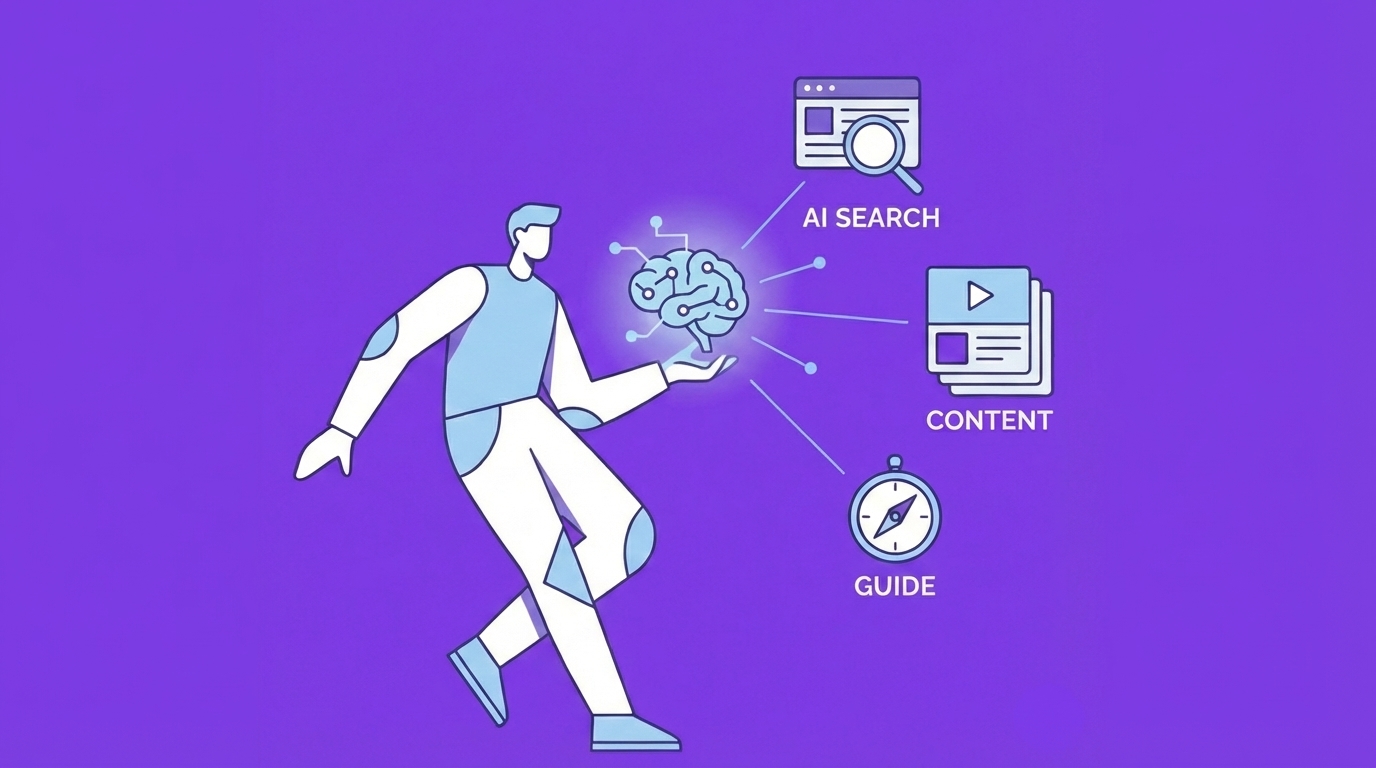
How to optimize content for AI search engines 2026 involves adapting SEO strategies to ensure content is easily discoverable, cited, and summarized by advanced AI systems like ChatGPT and Google AI Overviews. This shift prioritizes machine-readability and topical authority.
| Key Takeaway | Actionable Strategy |
|---|---|
| Shift from Keywords to Entities | Focus on topical depth and interconnected concepts. |
| Build E-E-A-T | Establish genuine expertise and trustworthiness. |
| Structure for AI Extraction | Use short paragraphs, lists, and direct answers. |
| Embrace Multimodal Content | Integrate images, diagrams, and video for deeper understanding. |
| Optimize for AI Citation | Aim to be a trusted source, not just a top ranker. |
The Paradigm Shift: From Keywords to AI Discovery
The search landscape in 2026 is undergoing a profound transformation. Traditional keyword-based SEO is evolving. AI-driven discovery systems now prioritize content cited, summarized, or referenced by AI. This represents a fundamental shift in how information is found online.
AI Search Optimization (AISO) and Generative Engine Optimization (GEO) are emerging disciplines. They focus on making content citable, quotable, and machine-readable. The goal is no longer just ranking high. It’s about becoming a trusted source for AI systems.
Gartner predicts a 25% drop in traditional search engine volume by 2026. This is due to the increasing reliance on AI chatbots and virtual agents. Businesses must adapt their strategies now.
This new era also brings a focus on Algorithmic Transparency Mandates (EU AI Act). These mandates will increasingly shape how AI systems operate. Content creators must ensure their methods align with ethical AI use. This includes clear data sourcing and unbiased information presentation.
AI referral traffic already accounts for 1.08% of all website traffic. It is growing approximately 1% month over month. ChatGPT alone drives 87.4% of that traffic, highlighting the urgency of this adaptation strategy. Learn more about this shift from Directive Consulting (Fuente: https://directiveconsulting.com/blog/how-to-optimize-content-for-ai-search/).
Understanding AI Search Algorithms
Content optimization for AI search engines in 2026 demands a focus beyond simple keywords. AI algorithms now seek a genuine understanding of a subject. They analyze its interconnected concepts and entities. This depth allows for more nuanced and accurate answers.
Large Language Models (LLMs) are central to this evolution. Systems like the Generative Pre-trained Transformer (GPT) Architecture are designed to understand intent, nuance, and context. They evaluate whether content answers a question clearly and authoritatively. Google’s Google MUM (Multitask Unified Model) also plays a significant role. It processes information across various modalities and languages to provide comprehensive answers.
Entity Resolution Algorithms are crucial here. These algorithms identify and link distinct entities within your content. This helps AI build a comprehensive knowledge graph. It ensures your information is correctly associated with relevant concepts.
By focusing on entities, you provide AI with structured data. This enhances its ability to synthesize and present your content. This approach builds a stronger foundation for AI visibility. Semrush (Fuente: https://www.semrush.com/blog/how-to-optimize-content-for-ai-search-engines/) provides further insights into these algorithmic changes.
Building Authority with E-E-A-T in the AI Era
Building author and brand authority is more crucial than ever. E-E-A-T (Experience, Expertise, Authoritativeness, Trustworthiness) remains a critical pillar of SEO. AI platforms like Google’s Gemini and Perplexity trust recognized experts and credible sources. They prioritize content demonstrating firsthand experience.
Human-generated content demonstrating authenticity and emotional connection is favored. AI can synthesize information, but it cannot produce genuine experience. This human touch builds trust with both AI and human users. Ethical AI use also reinforces trustworthiness.
Consider the Contextual Integrity Principle when creating content. This principle emphasizes that information should be shared appropriately. It should be used within its original context. This ensures that AI systems interpret and cite your content accurately. It prevents misrepresentation.
Establishing strong E-E-A-T involves several key practices:
-
Showcase Credentials: Highlight author expertise and qualifications clearly.
-
Cite Sources: Reference reputable sources to back up claims. This boosts authority.
-
Demonstrate Experience: Provide real-world examples and case studies.
-
Maintain Accuracy: Ensure all information is factually correct and up-to-date.
This focus on quality and credibility is paramount. It helps your content stand out. It positions you as a trusted voice in the AI-driven search landscape. You can explore more about E-E-A-T strategies on iovista.com (Fuente: https://www.iovista.com/blog/ai-seo-strategy-2026/).
Structuring Content for AI Extraction and Summarization
Content must be structured for easy AI extraction and summarization. Utilize short paragraphs, bullet points, and clear subheadings. Leading with direct answers to questions is vital. This helps AI quickly identify and present key information. This is especially true for Google AI Overviews, which reduce clicks to the top-ranking page by 58%. Around 93% of AI search sessions end without a website click.
Optimizing for featured snippets and “People Also Ask” sections is increasingly important. These often serve as source material for AI-generated answers. Crafting concise, direct answers increases your chances of being cited. This directly impacts your visibility in Zero-Click Search Results.
Consider implementing a Semantic Kernel Framework for your content. This helps structure information in a machine-readable way. It allows AI systems to better understand the relationships between concepts. This framework enhances the precision of AI summaries.
Here are structural best practices:
- Direct Answers First: Start sections with a clear, concise answer to the implied question.
- Use Subheadings: Break content into logical, scannable sections with H2s and H3s.
- Bullet Points and Lists: Present complex information in easily digestible formats.
- Concise Paragraphs: Keep paragraphs short, ideally two to three sentences long.
This disciplined approach makes your content highly accessible for AI. It increases the likelihood of it being chosen as a primary source. This is how to optimize content for AI search engines 2026 effectively. For more on AI Overviews, check Superlines.io (Fuente: https://www.superlines.io/articles/ai-search-statistics).
Technical Foundations: Making Content Machine-Readable
Technical accessibility for AI crawlers is absolutely essential. Bots like GPTBot and PerplexityBot need unobstructed access to your site. Site owners must ensure these bots are not blocked in robots.txt. This maintains visibility in AI search products. Blocking them means missing out on potential AI citations.
Implementing Knowledge Graph Schema Markup (Schema.org) is a non-negotiable step. Schema markup helps AI understand the context and relationships of your content. It provides structured data that AI systems can easily parse. This enhances the accuracy of AI-generated summaries and answers.
Multimodal content is also increasingly important. Images, diagrams, and video help AI tools understand and rank content. AI systems can now analyze information from these visuals. This enriches the contextual understanding of your topics. Ensure all multimodal elements are properly tagged and described.
To ensure technical readiness:
-
Review
robots.txt: Confirm AI crawlers are permitted to access your site. -
Implement Schema Markup: Use relevant
Schema.orgtypes for articles, products, and services. -
Optimize Multimodal Assets: Provide descriptive alt text for images and transcripts for videos.
-
Ensure Site Speed: Fast loading times improve crawler efficiency and user experience.
These technical optimizations lay the groundwork for AI-first content. They ensure your information is not only present but also perfectly understood by AI. You can review best practices for technical accessibility on Pilot Digital (Fuente: https://pilotdigital.com/blog/how-to-optimize-for-ai-search/).
The Future of SEO: AI-Driven Strategy and KPIs
Predictive SEO, powered by AI, will become a standard practice by 2026. Marketers can forecast trends and plan content in advance. This is based on data-backed insights. AI tools will identify emerging topics before they peak. This allows for proactive content creation.
The workflow for SEO needs a complete rethinking. Tracking AI visibility and citation frequency are new key performance indicators. Obsessing solely over traditional rankings is no longer enough. The goal is to be a trusted source for AI answers.
Conversational SEO is also critical. It optimizes content for natural language questions and prompts. Users increasingly interact with AI search engines conversationally. Your content must answer these questions directly and comprehensively. This ensures discoverability in new interfaces.
Consider these statistics:
-
Google AI Overviews appear in 25.11% of Google searches, up from 13.14% in March 2025.
-
ChatGPT boasts over 800 million weekly active users as of early 2026, making it the fourth most visited website globally.
-
AI-driven search traffic has increased by 527% year over year. Traffic from AI-originated searches converts at 14.2%, compared to 2.8% for traditional Google search.
These numbers underscore the growing importance of AI in the search ecosystem. Adapting your strategy to how to optimize content for AI search engines 2026 is imperative. It drives higher-converting traffic. For more statistics, see Aidan Coleman (Fuente: https://aidancoleman.com.au/ai-seo-statistics/).
Conclusion: Embracing the AI-First Content Strategy
The landscape of search is rapidly evolving. Optimizing content for AI search engines in 2026 means embracing a holistic strategy. It moves beyond traditional keywords. Focus on entities, E-E-A-T, and machine-readable structures. This ensures your content is not just found but also cited and trusted by AI systems.
By adopting AISO and GEO principles, you position your brand for future success. Prioritize clear, concise, and authoritative content. Embrace technical optimizations. Track new KPIs like AI citation frequency. This proactive approach will secure your visibility in the AI-first era of search. If you want the strategic layer behind these mechanics, read our GEO guide for AI search and our article on shaping brand narrative in LLMs.
Need help applying this to your site? Contact the NewAim team.
Sources and References
- 2024 02 19 gartner predicts search engine volume will drop 25 percent by 2026 due to ai chatbots and other virtual agents - gartner.com
- AI features and your website - developers.google.com
- Creating helpful, reliable, people-first content - developers.google.com
- Overview of OpenAI crawlers - platform.openai.com
- AI traffic up 527 percent and SEO was rewritten in one year - searchengineland.com